
The Ins and Outs of Punctuation

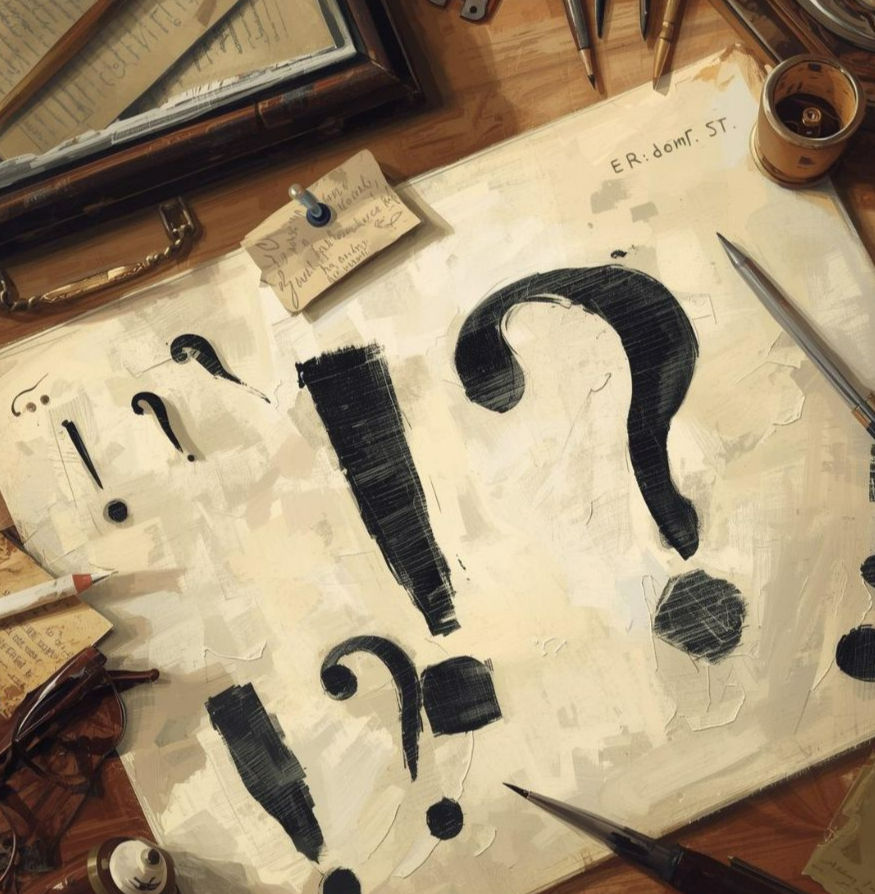 Ever wondered if you use too many commas in your writing? Or why others use lots of em dashes but you prefer semicolons?
We all know someone passionate about punctuation. The response to the announcement of the Commonwealth Style Manual in 2020 and the shift of em dashes to en dashes was a case in point. “You can pry em dashes—yes, these ones—out of my cold, dead hands,” wrote one commenter. But now, five years later, the rise of AI and how it has embraced the em dash is a tell that a piece of writing is not written by a real person. “Why couldn’t machines have embraced the semicolon? No one gives a fig about those,” grumbled this writer.
Turns out plenty of people do. Writer David Malouf said, “I tend to write longer sentences and use the semicolon so as not to have to break the longer sentences into shorter ones that would suggest things are not connected that I want people to see as connected. Short sentences make for fast reading; often you want slow reading.”
It gets more complicated. There’s the Apostrophe Protection Society, founded in 2001. Who hasn’t twitched slightly at the sight of an absent or misplaced apostrophe? The old comma debate over Eats, Shoots and Leaves. And we all know someone who just uses too many exclamation marks. It’s so annoying!!!
So what is a writer to do? |
DOES PUNCTUATION MATTER? |
Yes. Punctuation is an essential element of your writing style and voice. It helps with the logical understanding of the text and how you indicate subject, object, subordination and so on. It can also heighten the effect of the words which you, the writer, have so carefully chosen. It also sets the pace for the reader’s eyes to take your words in. Thrillers, for example, usually have short sentences and minimal punctuation, especially in the final scenes, as this speeds up the pace. Literary fiction may use longer sentences with numerous semicolons to indicate a slower more reflective pace.
Writing full steam ahead without punctuation results in a final paragraph of nonsense and jumbled words. But are punctuation rules made to be broken? Countless great works of fiction have intentionally used or not used punctuation to set the tone or feeling of a piece to great effect.
The key to using punctuation is to think about the genre you are writing and pay attention to how you use it as you go. It is arguably more important than grammar. Yes, I really said that. Keep in mind the rules we use for non-fiction don’t necessarily translate to creative writing.
Think about how many commas you use and try to make some rules for yourself. Mine is no more than two commas a sentence. I also hate the word ‘which’ and never use it so I replace it with punctuation sometimes. I don’t mind an em dash but I very rarely use ellipses. I’m trying to use more semicolons since they’ve got their own key on the keyboard (unlike the old em dash). I’m still on the fence about oxford commas.
If you want to embrace em dashes, semicolons, ellipses, go for it, just make sure they have a purpose, convey meaning, and you are using them consistently across your writing.
There’s lots of advice and resources on the internet to help you. Here are some suggestions:
|


Comments